The Importance of Sensory Play in Early Childhood Education
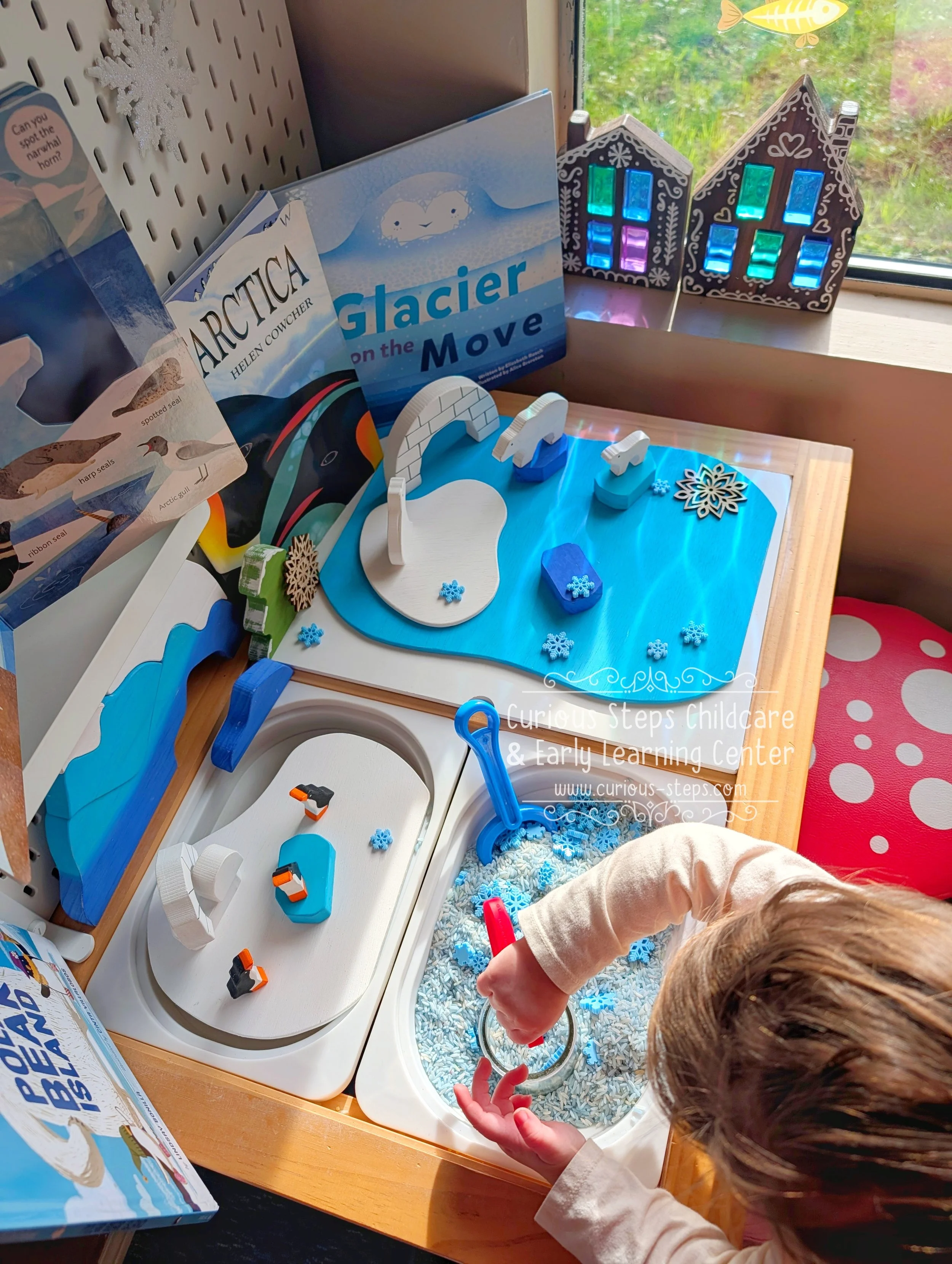
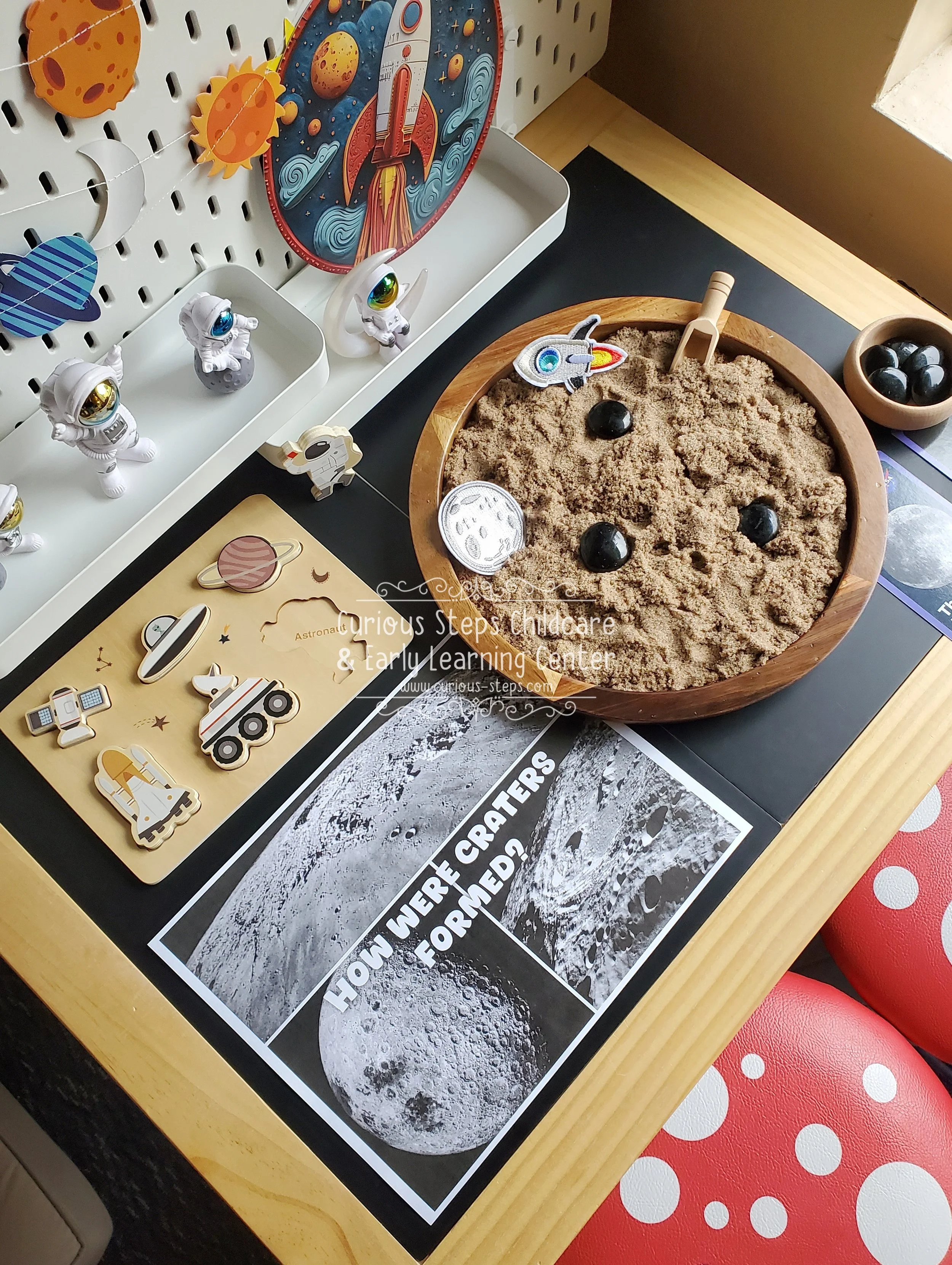
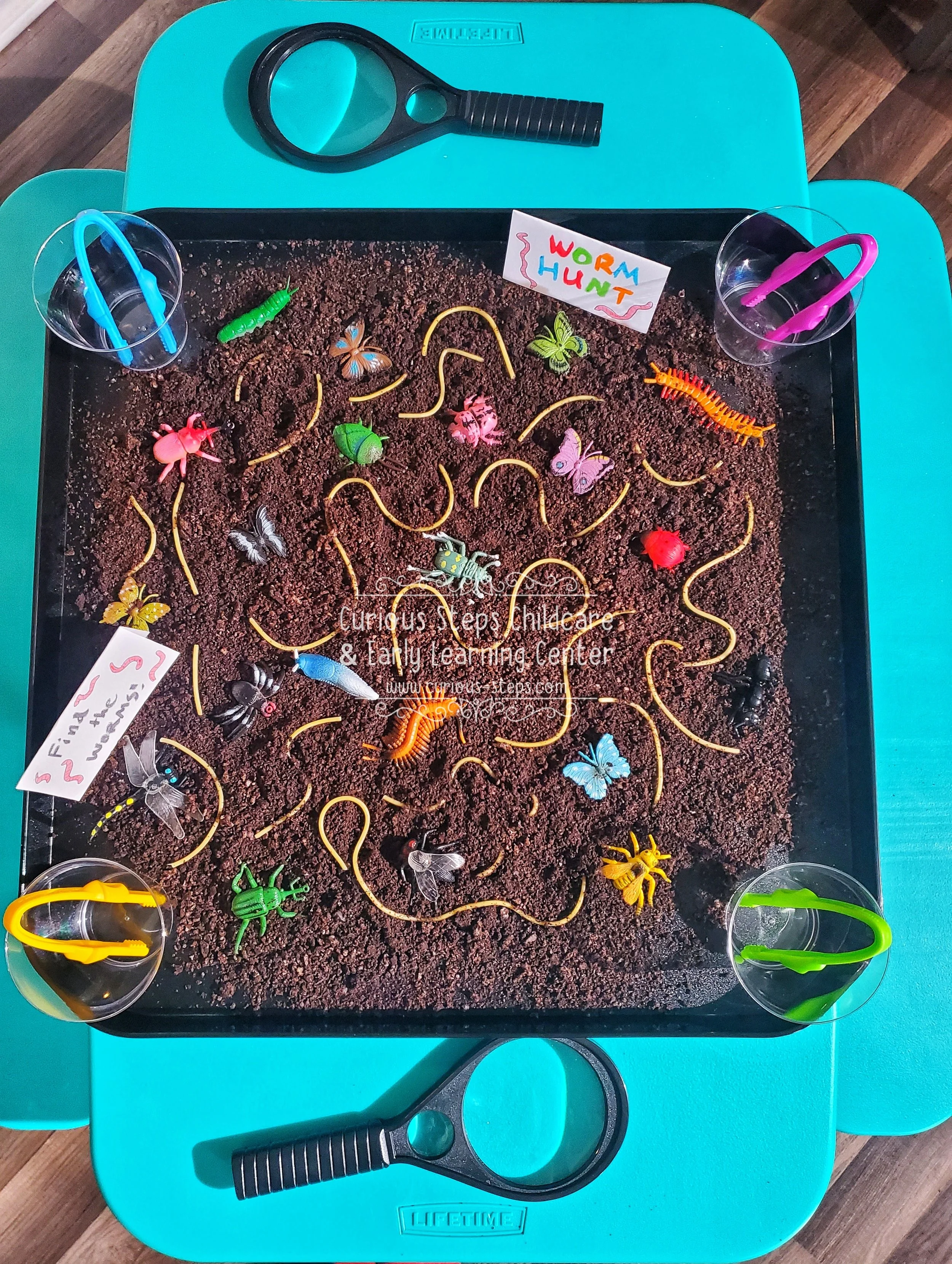
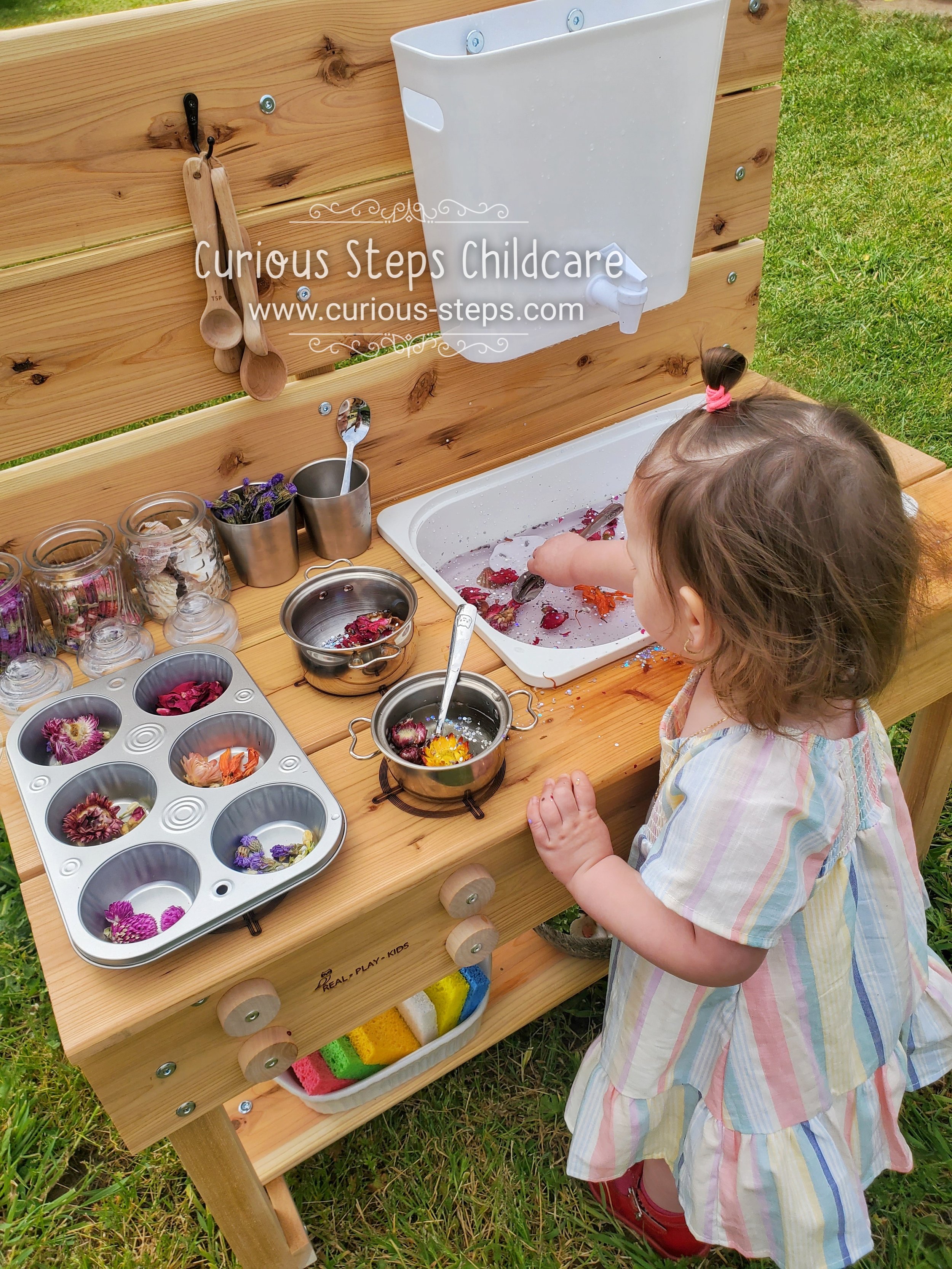
Sensory Play plays a critical role in early childhood development because it allows children to understand the world through direct, hands-on experiences. Rather than learning passively, children use their senses to explore, test ideas, and make meaningful discoveries about the world around them. This type of learning is deeply aligned with how young brains develop.
Research in early brain development and neuroscience consistently show that sensory-rich experiences help build neural connections in the brain, particularly during the first five years of life when brain growth is most rapid. When children scoop, pour, squeeze, stir, and manipulate materials, they are strengthening pathways related to problem-solving, memory, and executive function.
According to Zero to Three and the Center on the Developing Child at Harvard University: sensory-rich experiences help build the brain architecture responsible for cognitive growth, emotional regulation, and executive functioning.
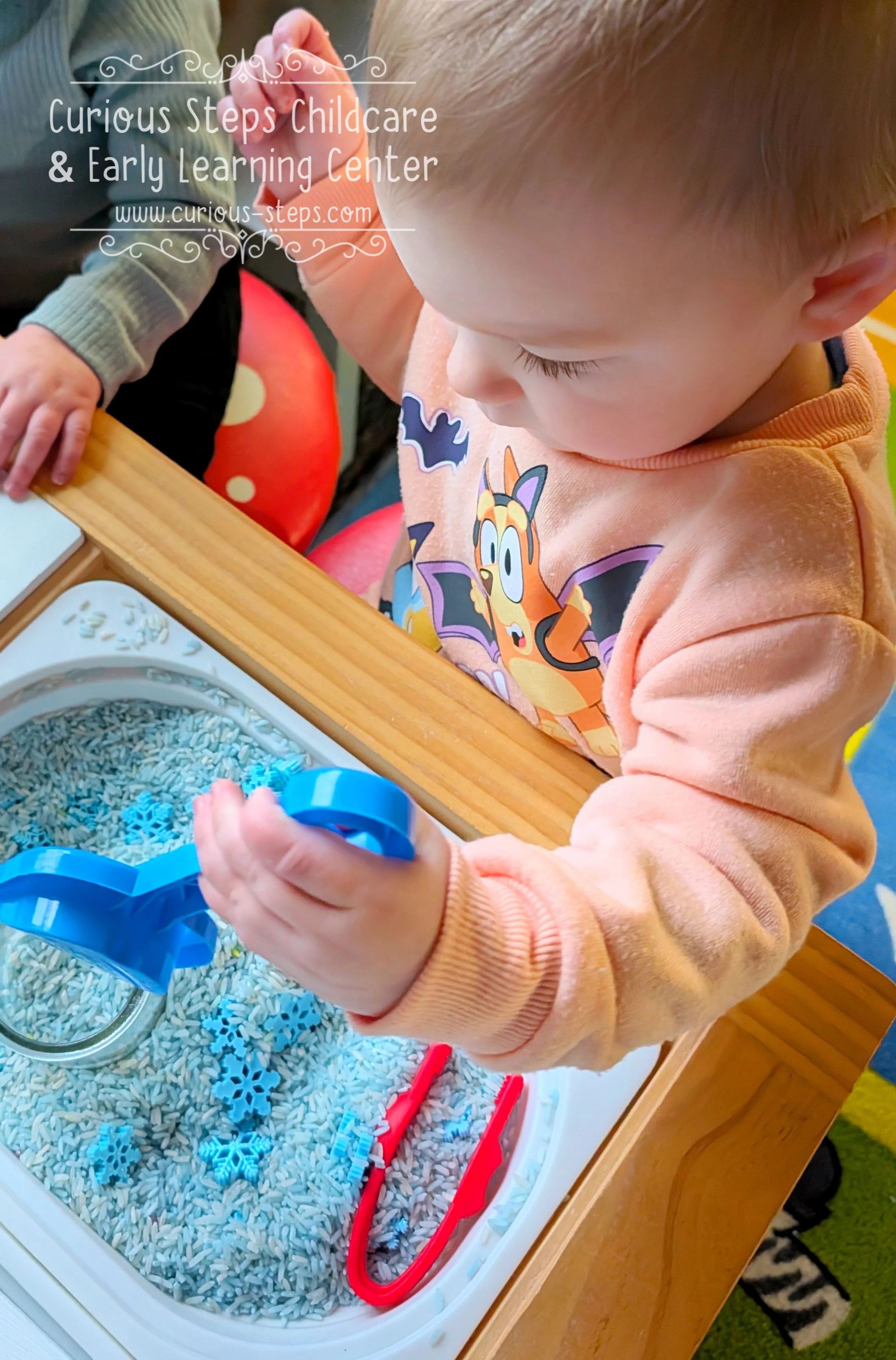
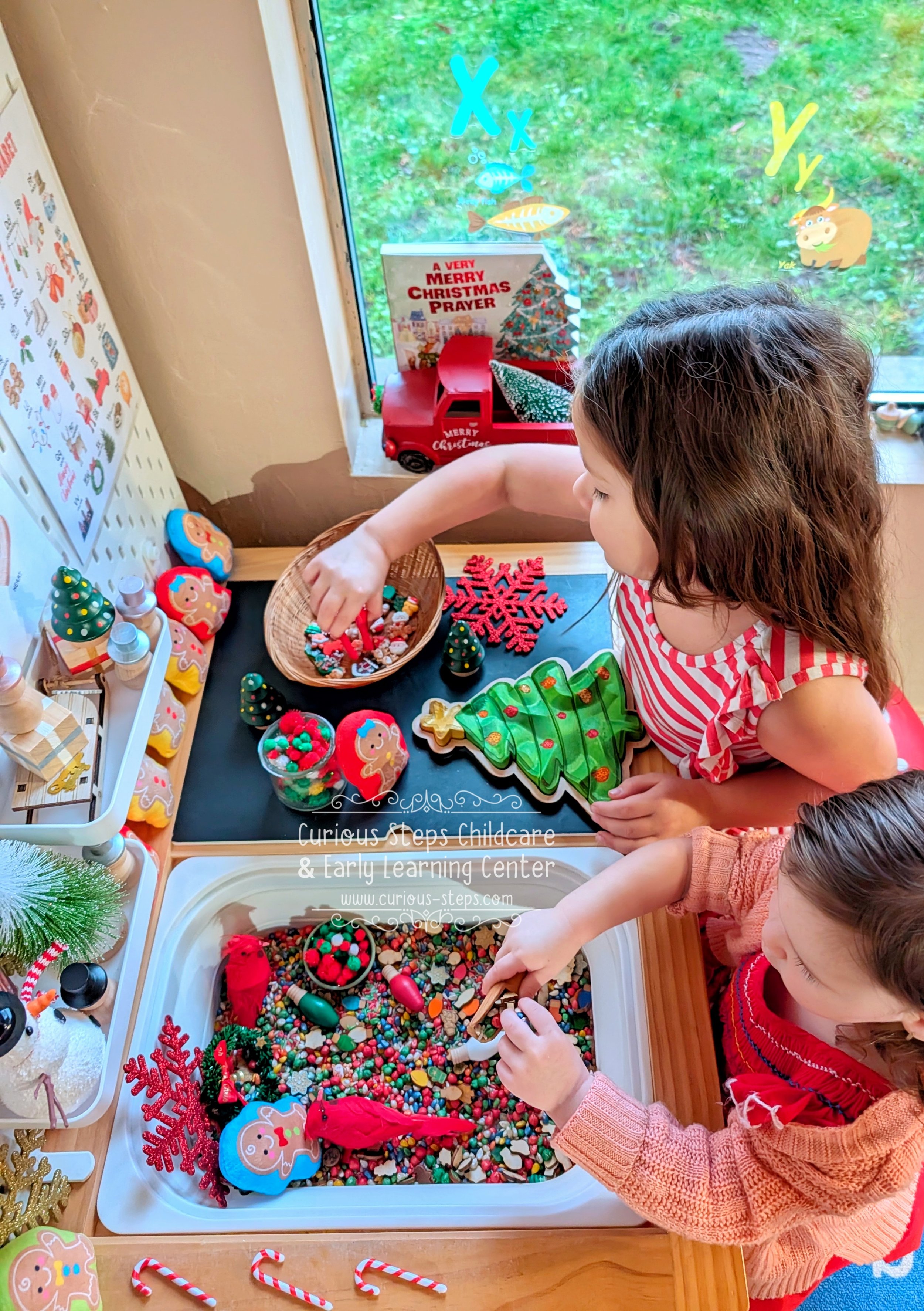
When children scoop, pour, touch, and manipulate materials, they are engaging multiple areas of the brain at once which helps lay a strong foundation for future learning.
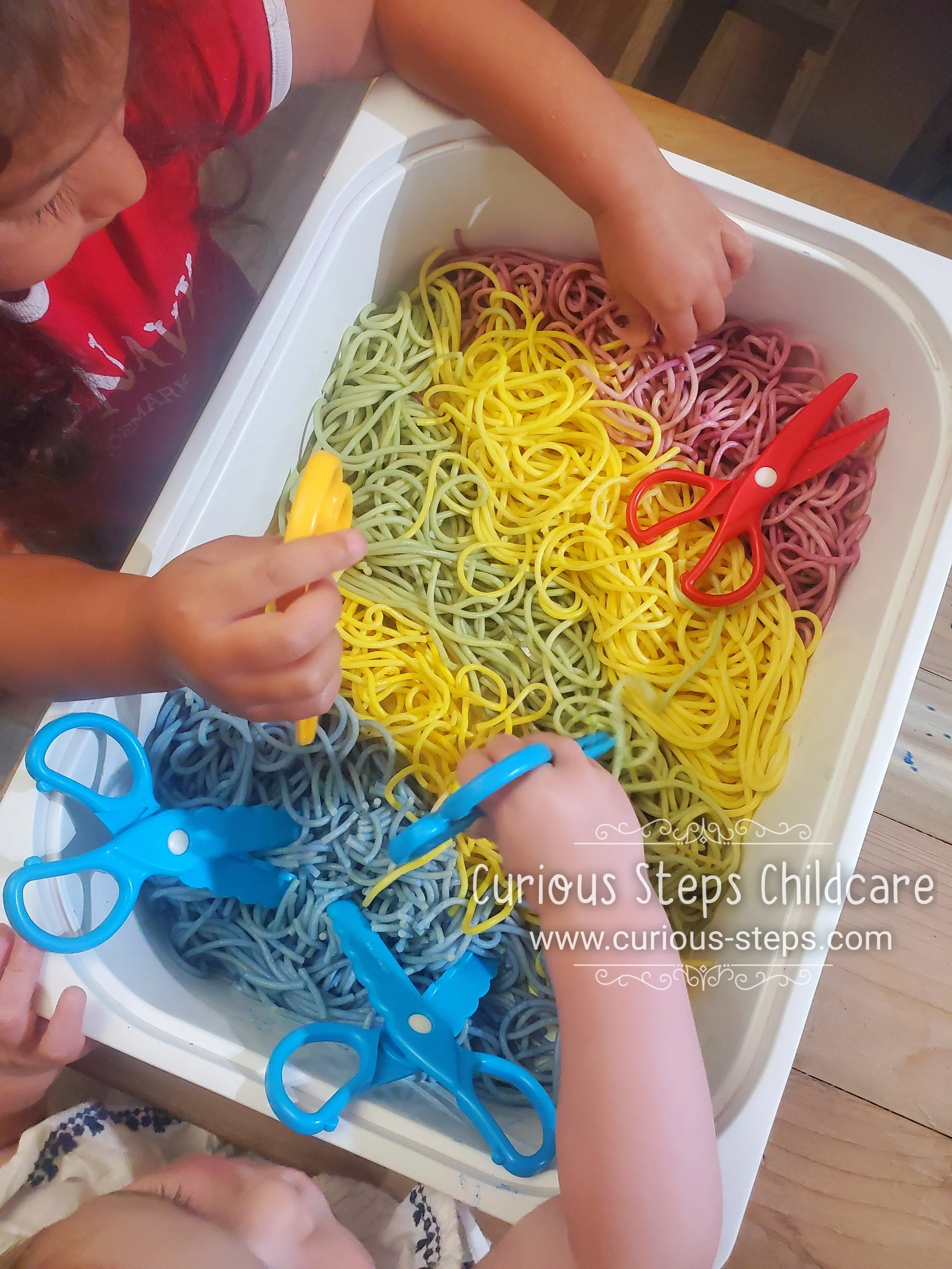
Sensory play is especially powerful for developing fine motor skills and hand-eye coordination, which are essential for later academic and life skills. Hand-eye coordination and brain to muscle coordination are built long before a child ever holds a pencil.
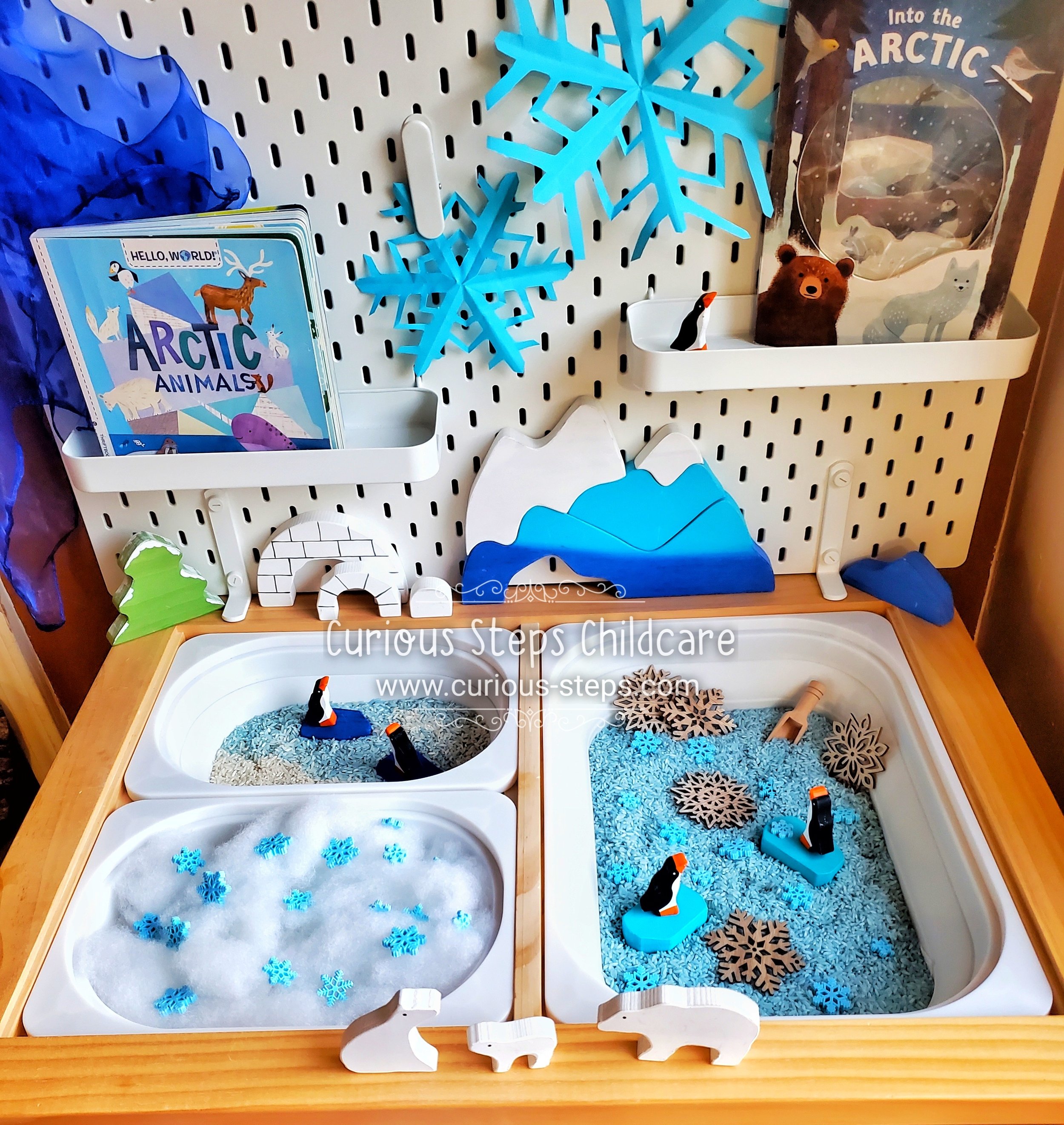
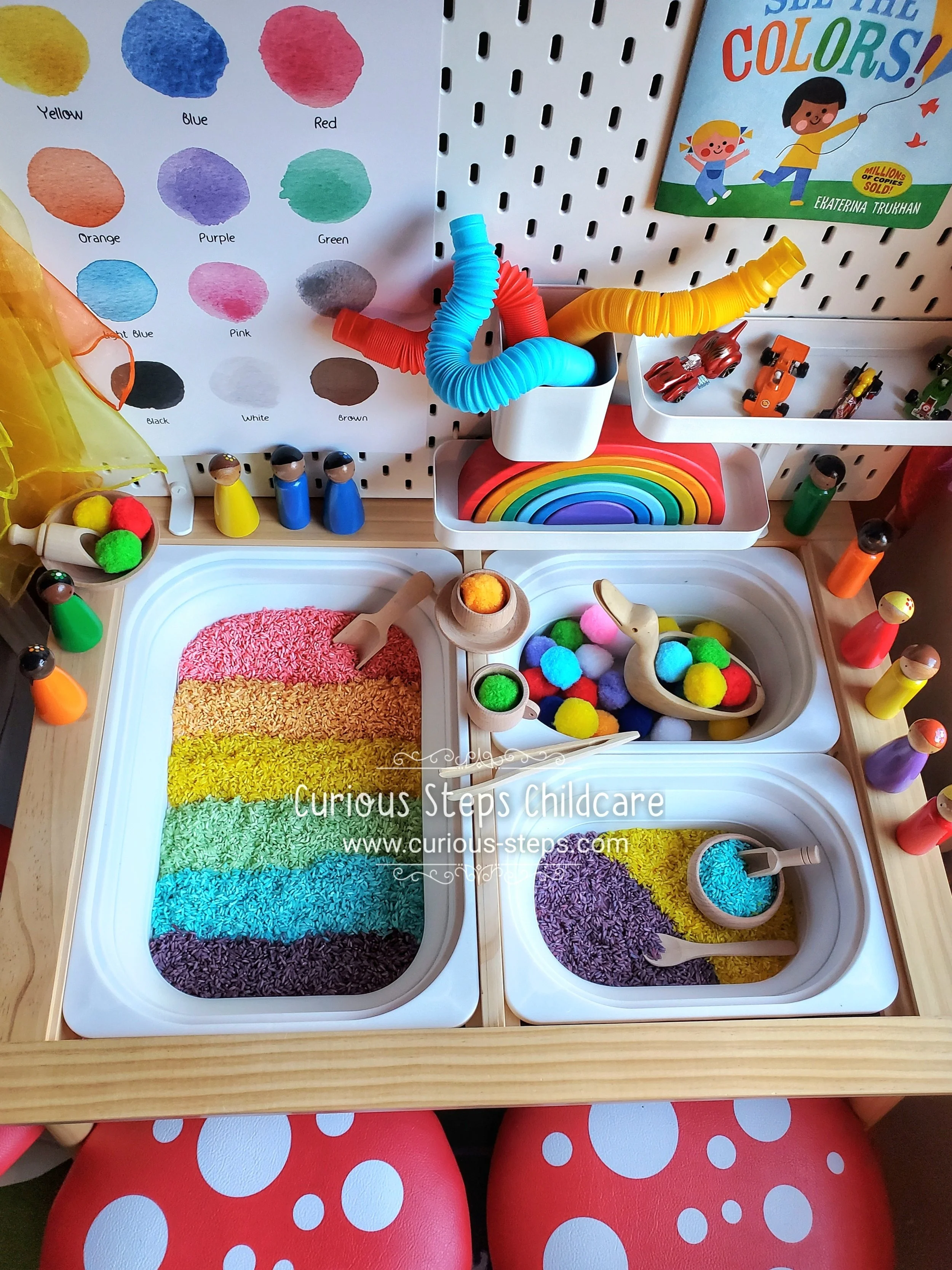
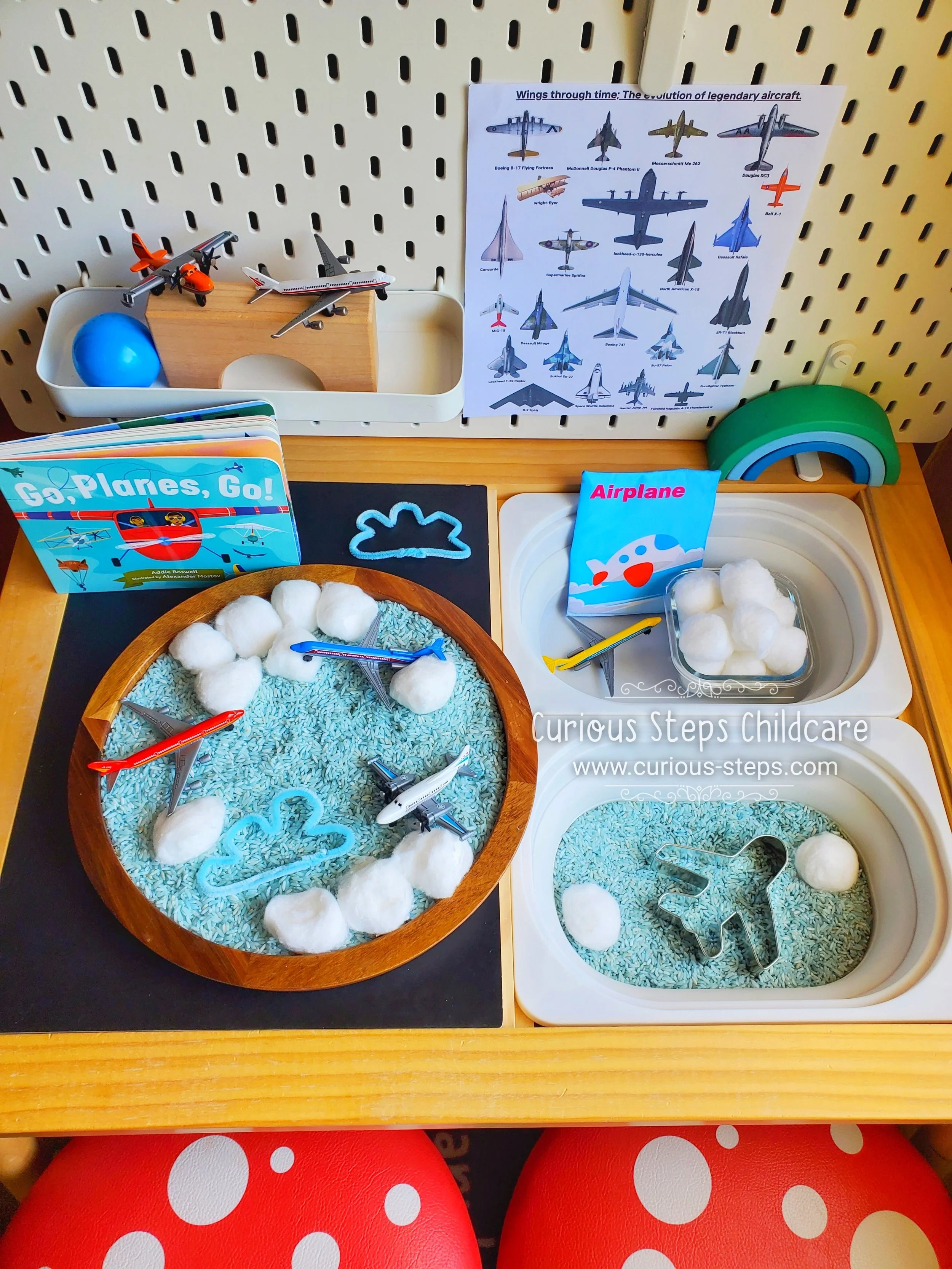
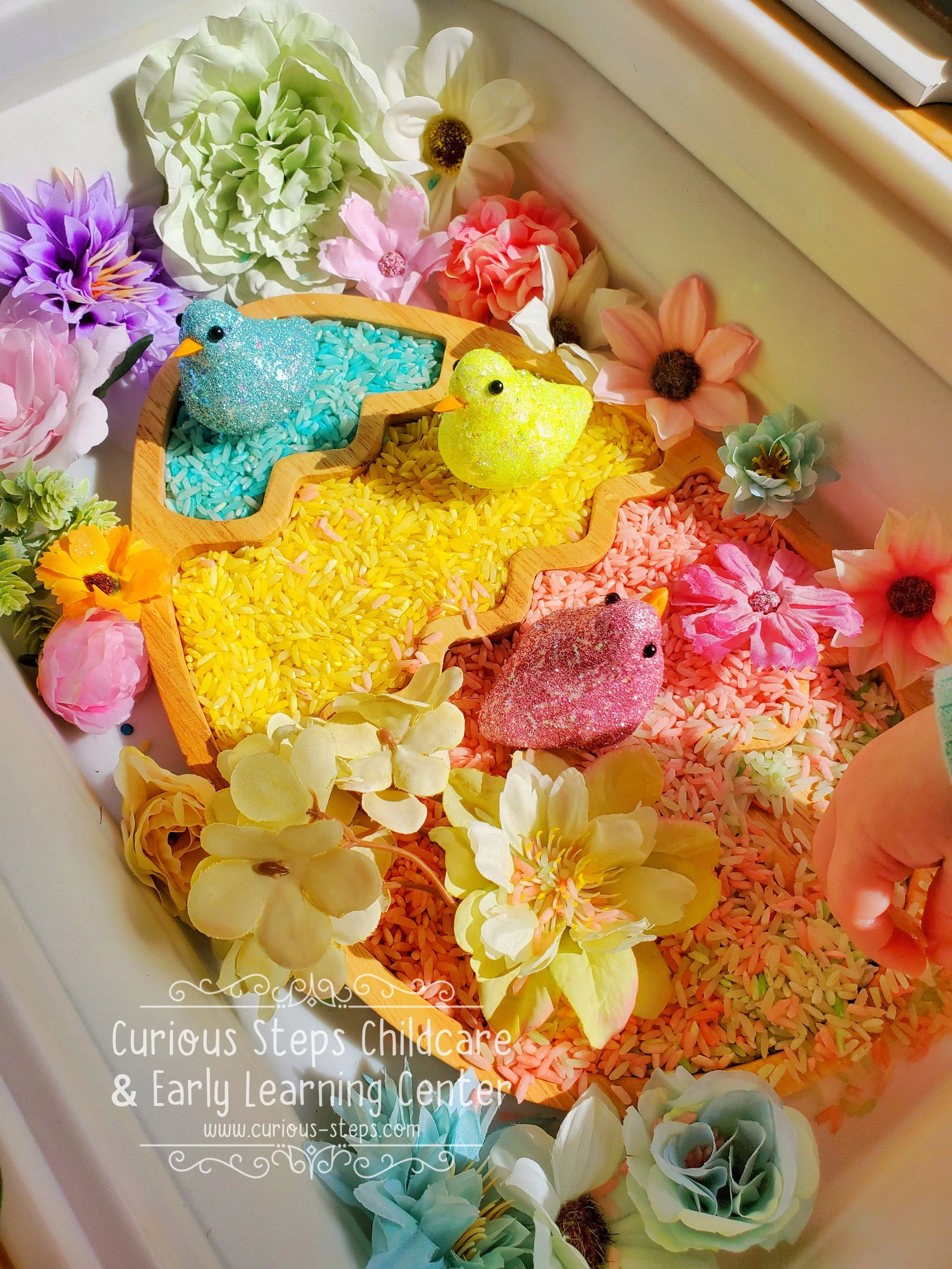
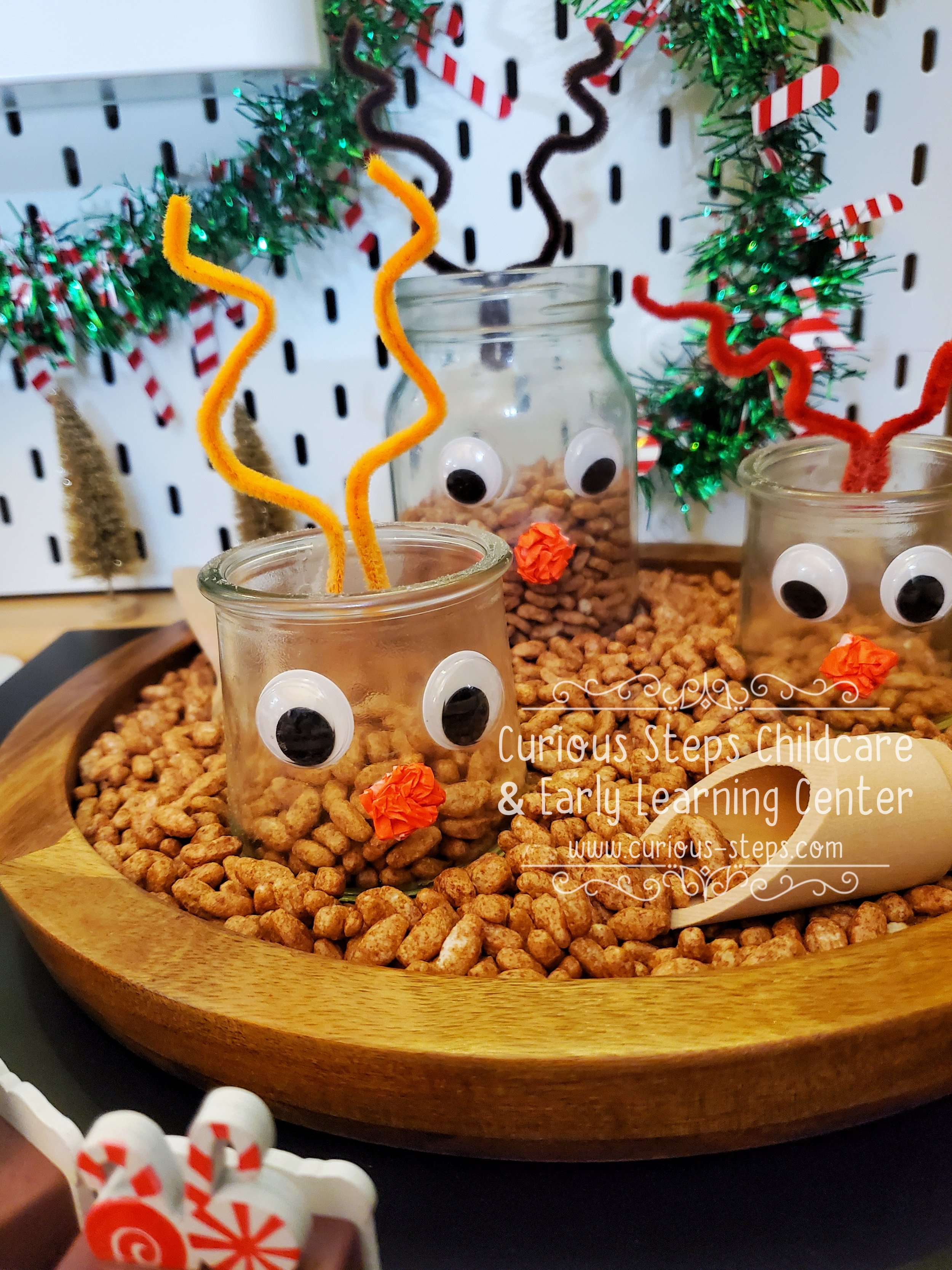
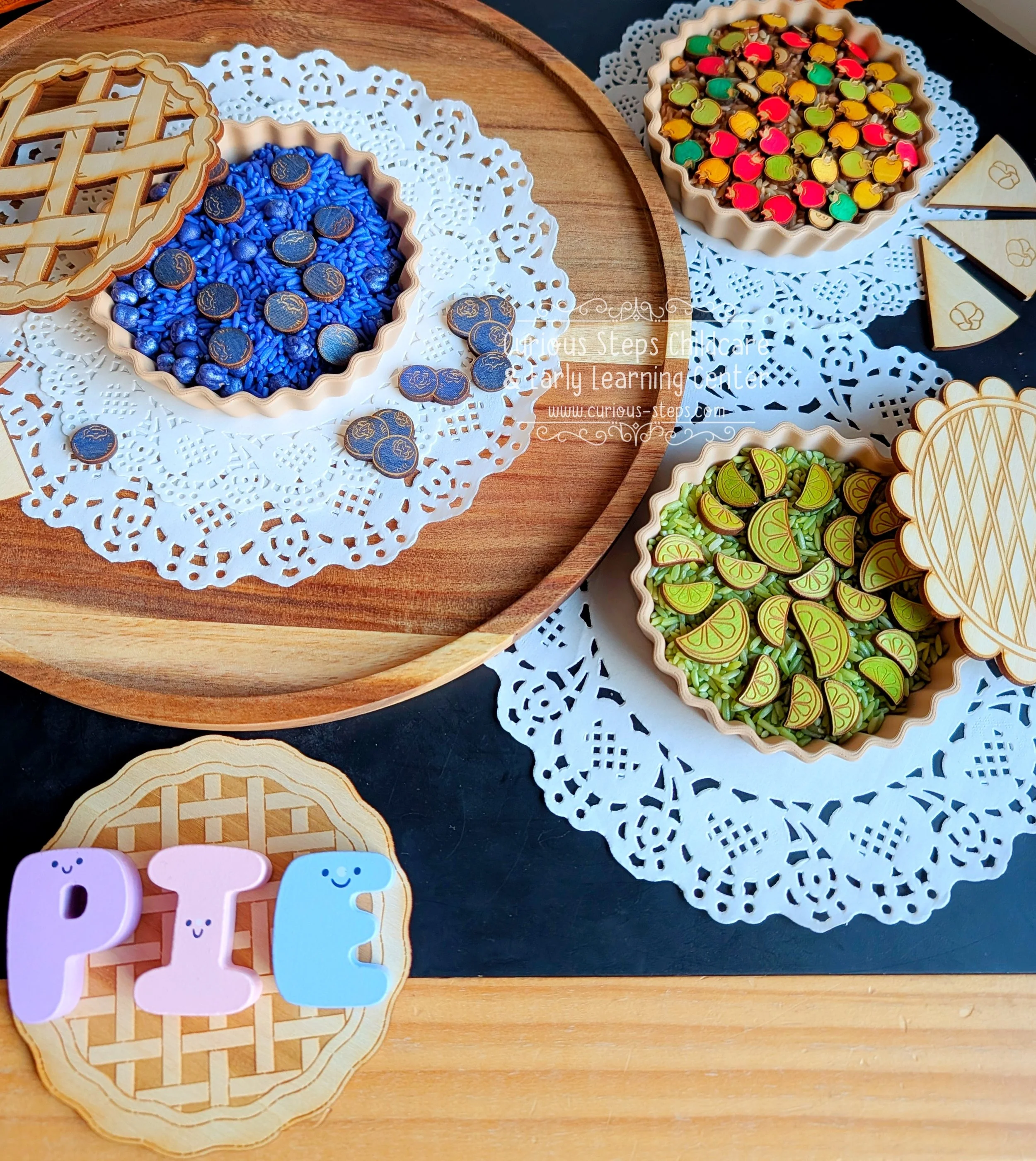
Sensory Play with Rice or Lentils typically includes scooping, pouring, transferring between containers, or pinching grains with fingers helps to strengthen the small muscles of the hands and fingers. Occupational therapy research identifies these precise movements as critical precursors to writing, cutting with scissors, using utensils, buttoning clothing, and other self-care tasks. Long before a child holds a pencil, these foundational skills are being built through play.
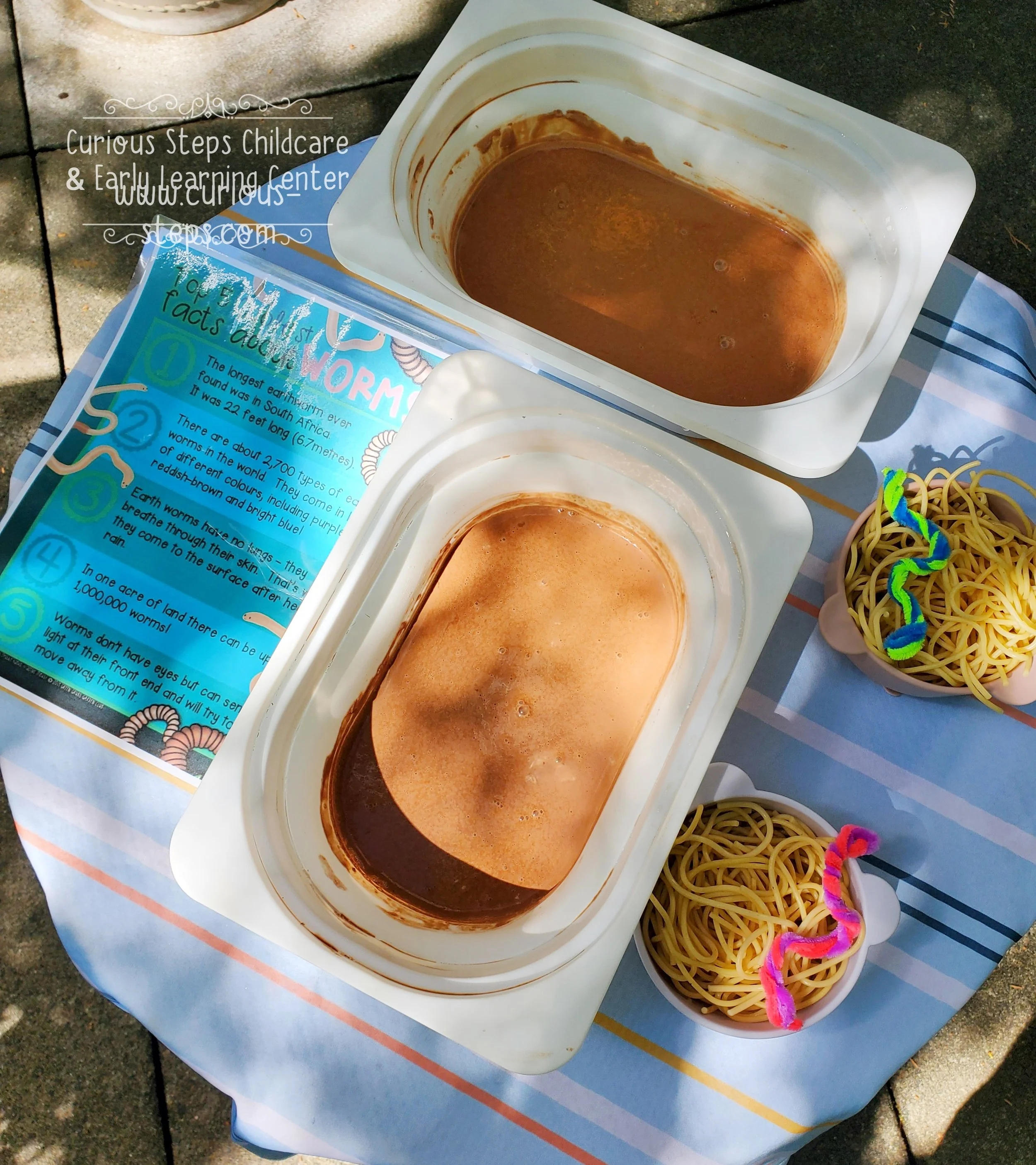
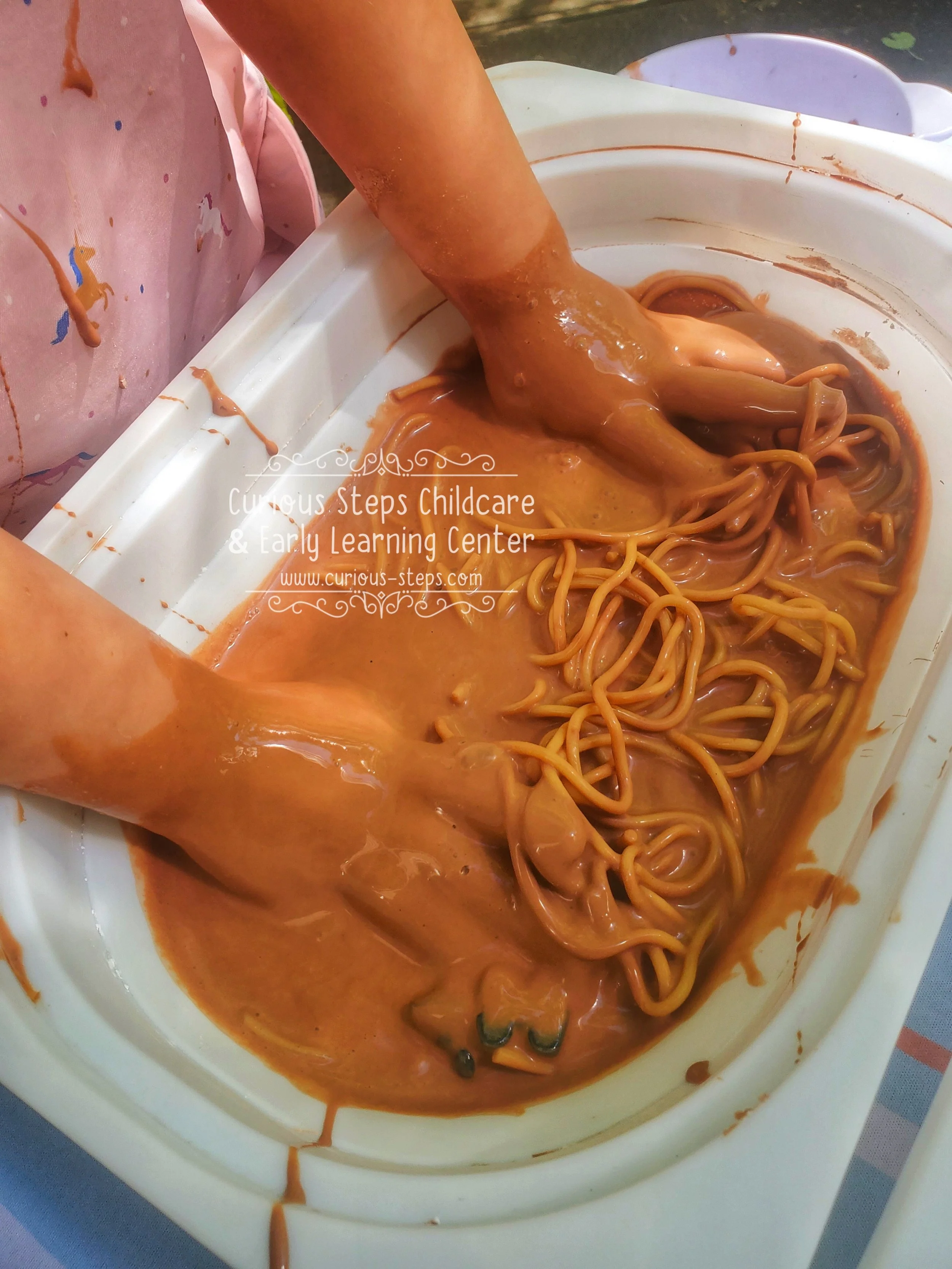
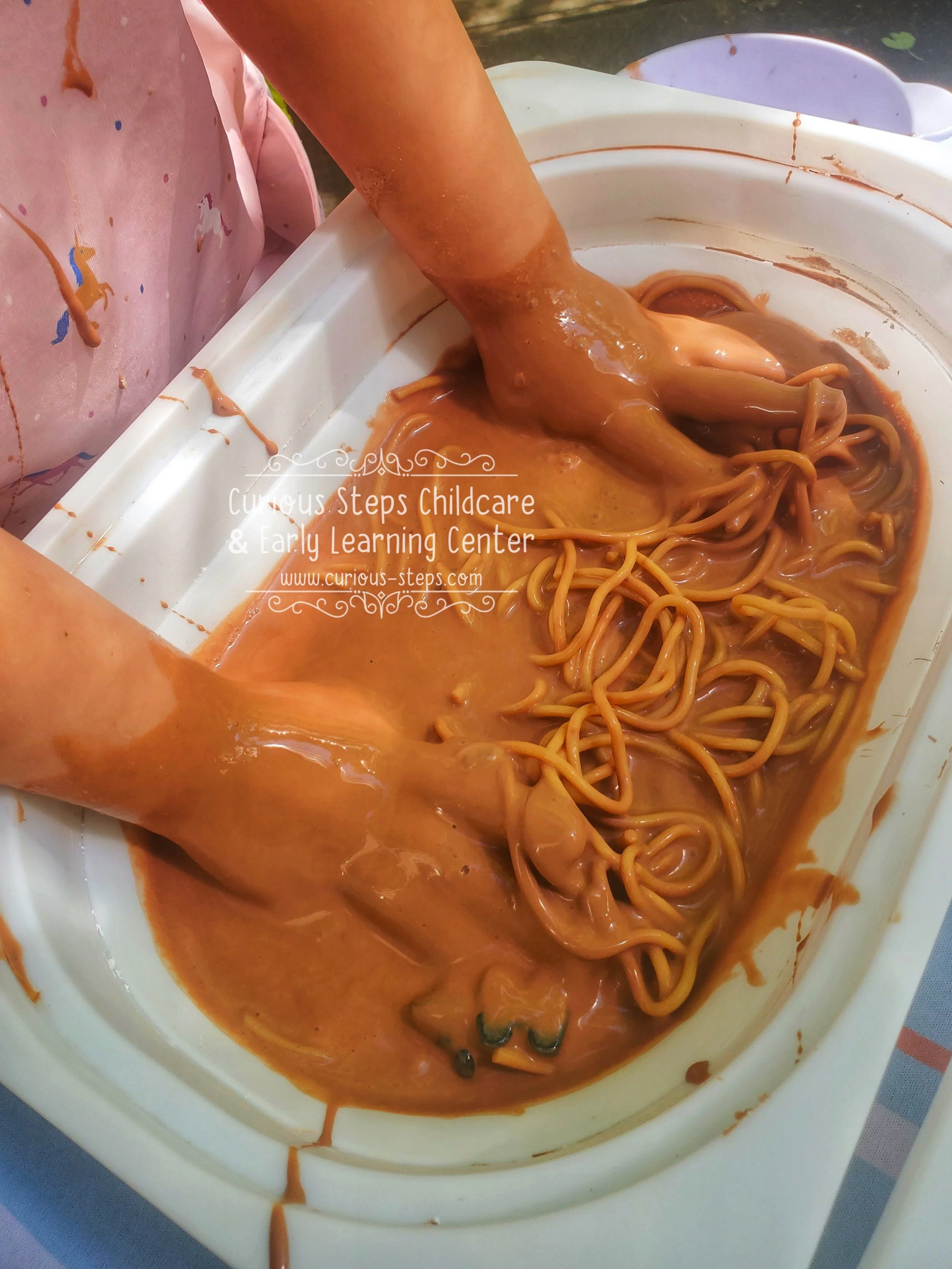
Materials like Oobleck (a simple mixture of cornstarch and water) introduce early scientific thinking and problem-solving. As children press, squeeze, and release the material, they observe how it changes from solid to liquid depending on pressure. This aligns with research highlighted by the National Association for the Education of Young Children (NAEYC), which emphasizes that open-ended sensory materials support early STEM skills by encouraging experimentation, hypothesis testing, and cause-and-effect reasoning. Children naturally test hypotheses: What happens if I move faster? What if I stop?
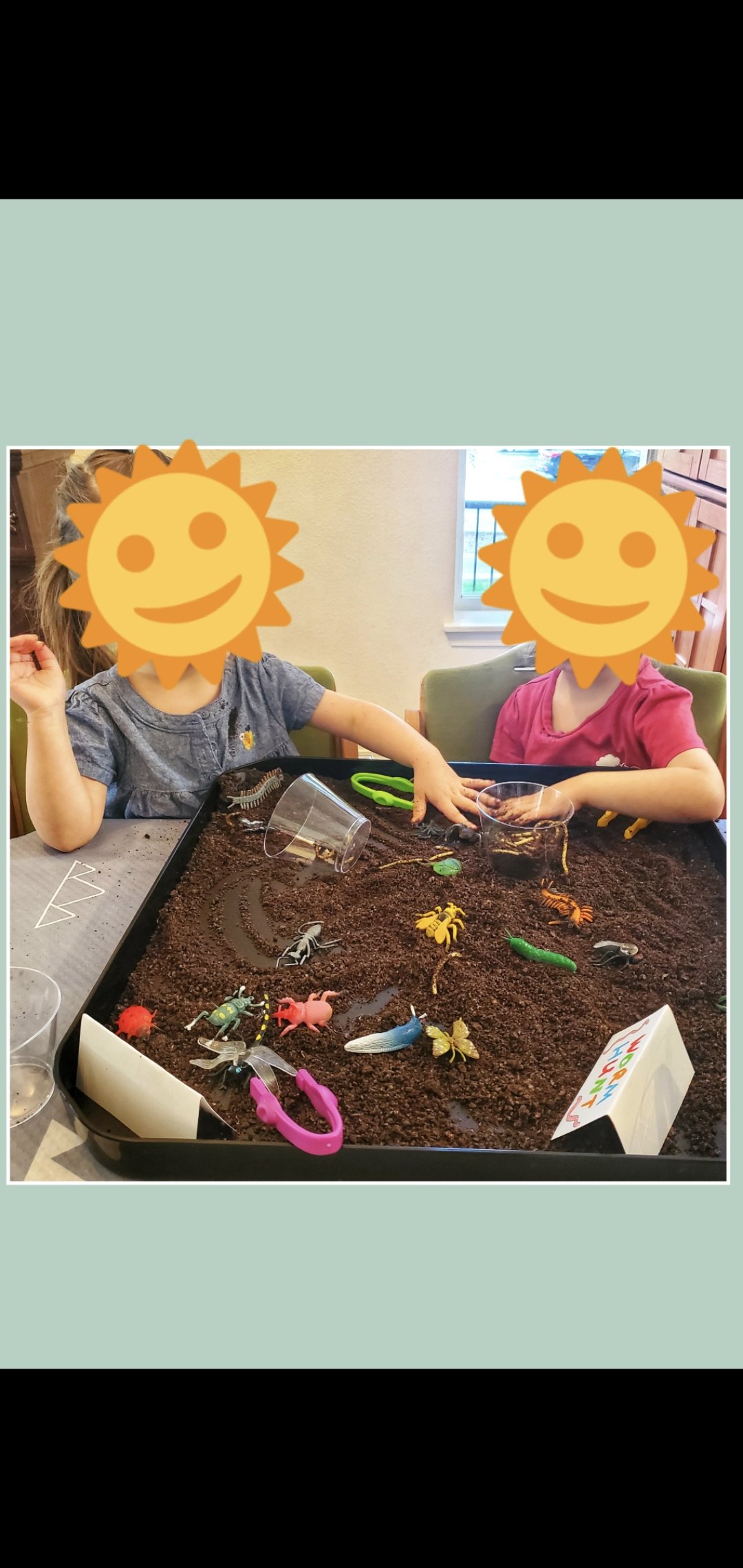
Other sensory experiences, such as water play, sand, dough, and natural materials, further support sensory processing and body awareness. Pouring water strengthens coordination and spatial awareness, while textured materials provide tactile input that helps children refine their sense of touch. The American Occupational Therapy Association (AOTA) notes that regular sensory input supports self-regulation by helping children organize their nervous systems, improving focus, emotional control, and overall calm.
Sensory play also naturally encourages sustained attention and concentration, especially in a calm, screen-free environment. Sensory processing skills are closely linked to emotional regulation; research shows that children who regularly engage in sensory play often show improved ability to focus, stay calm, engage deeply, remain focused and more easily manage transitions.
Just as importantly, sensory play is process-based, not outcome-based. There is no “right” or “wrong” result! There is only exploration and discovery. This approach, strongly supported by Reggio Emilia-inspired educational philosophy, allows children to work at their own pace, build confidence, and develop independence. Children learn to trust their ideas, persist through challenges, and take ownership of their learning.
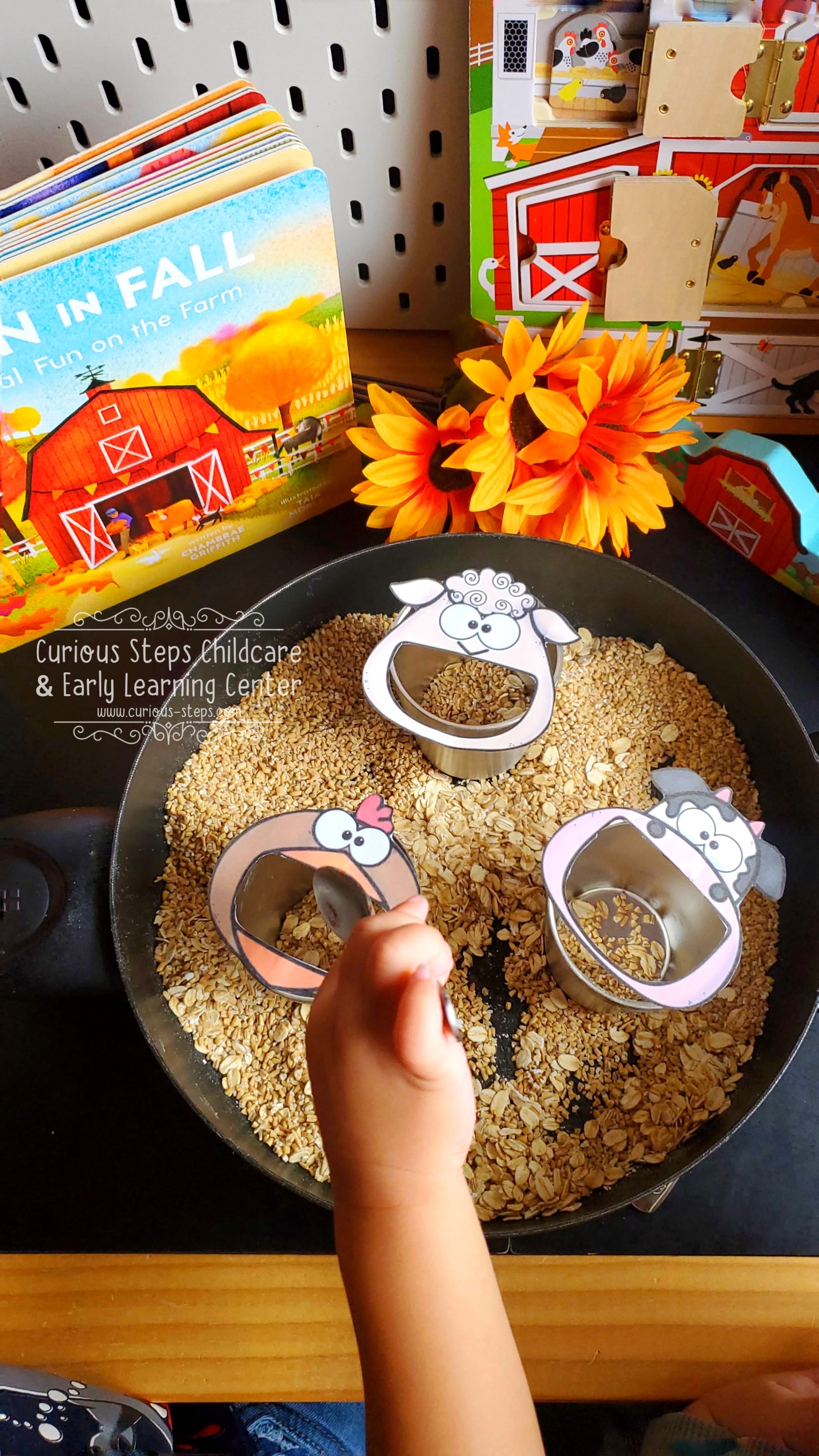
At Curious Steps Childcare & Early Learning Center in Burien, WA;
All sensory experiences are intentionally prepared to support development while creating a peaceful, beautiful learning environment. Guided by research-based best practices and inspired by Reggio Emilia principles, our sensory spaces invite children to feel calm, capable, and deeply engaged; building strong foundations for learning through curiosity and exploration.